
12 Epic Reasons to Overland
Colorado's Rocky Mountains
Towering fourteeners, historic mining roads, and some of the most jaw-dropping backcountry camping in North America. Here's everything you need to know before you go.
If you're dreaming about crisp alpine air, towering peaks, and rugged off-road trails that feel like they were built for your rig — overlanding in Colorado's Rocky Mountains belongs at the top of your list. This region offers some of the most accessible, scenic, and diverse backcountry terrain in North America, and it rewards both first-timers and seasoned adventurers alike.
Whether you're rolling in a stock Tacoma or a fully built Wrangler, the Rockies have a route for you. This guide covers the why, the when, the what to bring, and the trails you absolutely cannot miss.
WHY COLORADO'S ROCKIES ARE THE OVERLANDING CAPITAL OF NORTH AMERICA
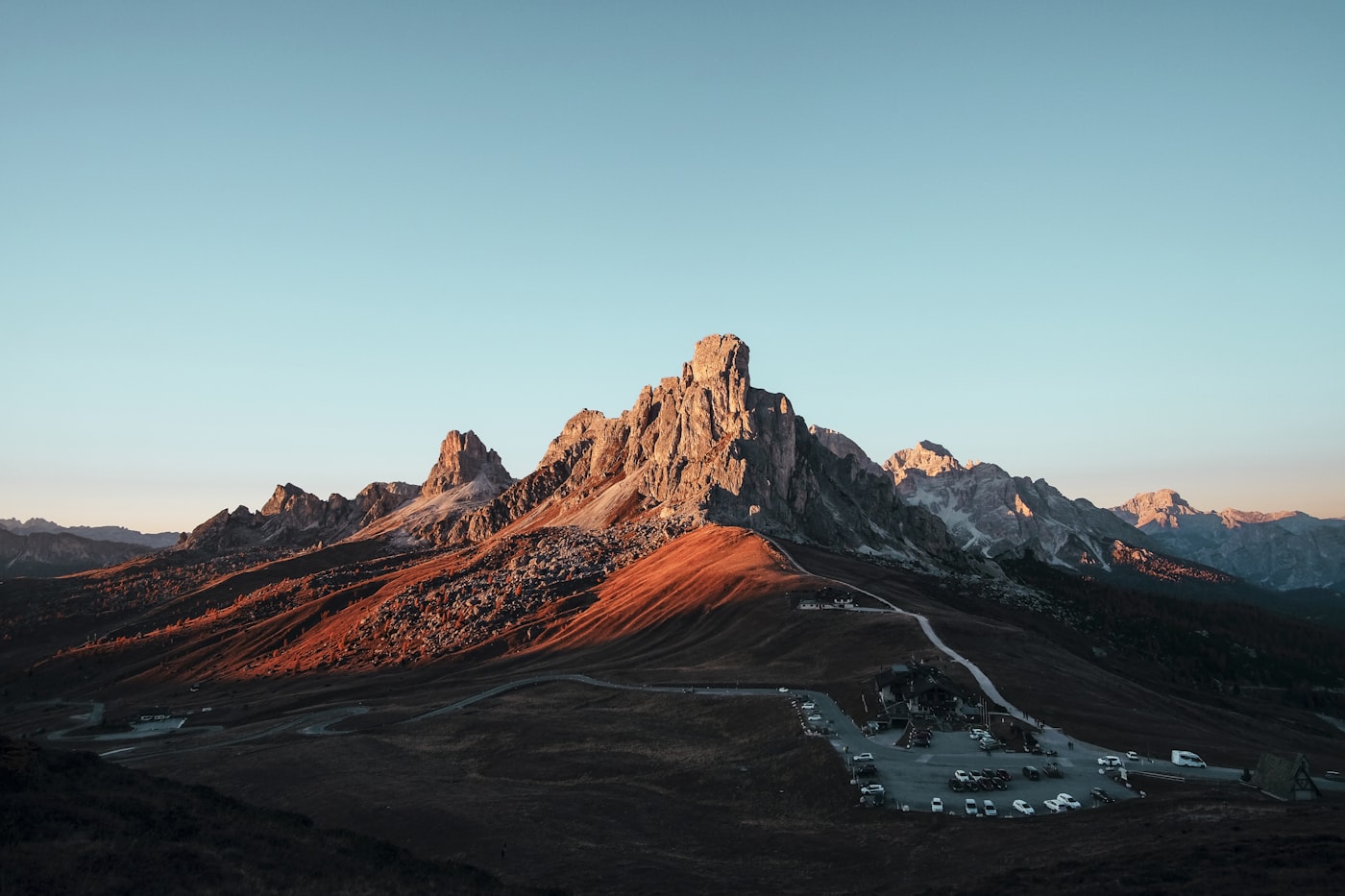
Photo: Unsplash (free to use) — The San Juan Mountains, home to some of the best overlanding terrain on the continent.
The Rocky Mountains stretch across several states, but Colorado offers a concentration of accessible, dramatic, and well-documented overlanding terrain that is genuinely hard to match anywhere else. Here's what makes it special:
Colorado has 58 peaks above 14,000 feet. Overland routes wind through and around these giants, offering views most hikers never see from a trailhead.
19th-century miners carved these routes by hand. Today they're some of the most dramatic 4x4 trails in the country, with ghost towns at every other switchback.
Above treeline, the landscape transforms into wide-open tundra dotted with shimmering alpine lakes. There's nothing quite like camping at 12,000 feet.
Vast stretches of National Forest and BLM land allow free dispersed camping with no reservation required. Drive until you find the perfect spot.
From smooth gravel passes like Boreas to technical shelf roads like Black Bear, Colorado has routes for every skill level — often within the same mountain range.
September in the Rockies means the aspens turn gold. Overlanding through quaking aspen groves in full autumn color is one of the defining experiences of the region.
Few overlanding experiences match inching along a narrow shelf road with a thousand-foot drop on one side and a cliff wall on the other. Colorado has plenty.
Animas Forks, Silverton, Ouray — the San Juans are littered with the remnants of Colorado's silver boom. Many are only reachable by 4WD trail.
Colorado trails are among the best-documented in the country. Gaia GPS, Trails Offroad, and dedicated guidebooks make trip planning straightforward even for first-timers.
Elk, moose, black bears, bighorn sheep, and mountain lions all share the backcountry. The Rockies are one of the last places where you can genuinely feel like you're in wild America.
The San Juan Skyway, the Alpine Loop, and dozens of other connected routes let you string together multiple days of overlanding without repeating the same road twice.
Colorado has one of the most active overlanding communities in the US. Trail meetups, organized runs, and local knowledge are never far away.
BEST TIME OF YEAR FOR ROCKY MOUNTAIN OVERLANDING
Timing is everything at altitude. High-elevation trails remain snow-covered well into summer, and afternoon thunderstorms can roll in fast from July through August. Plan around the window — and the window's edges.
| Month | Conditions | Best For |
|---|---|---|
| April – May | Snow still on high passes, mud season at lower elevations | Lower-elevation routes only |
| June | High passes beginning to open, snowmelt creates crossings | Early-season scouting, beginner routes |
| July – August | Peak season — all passes open, wildflowers, afternoon storms | All routes; start early, off trail by 2 PM |
| September | Golden aspens, cooler temps, fewer crowds — the sweet spot | Everything. This is the best month. |
| October | Early snow at elevation, passes begin closing mid-month | Lower routes, shoulder season adventures |
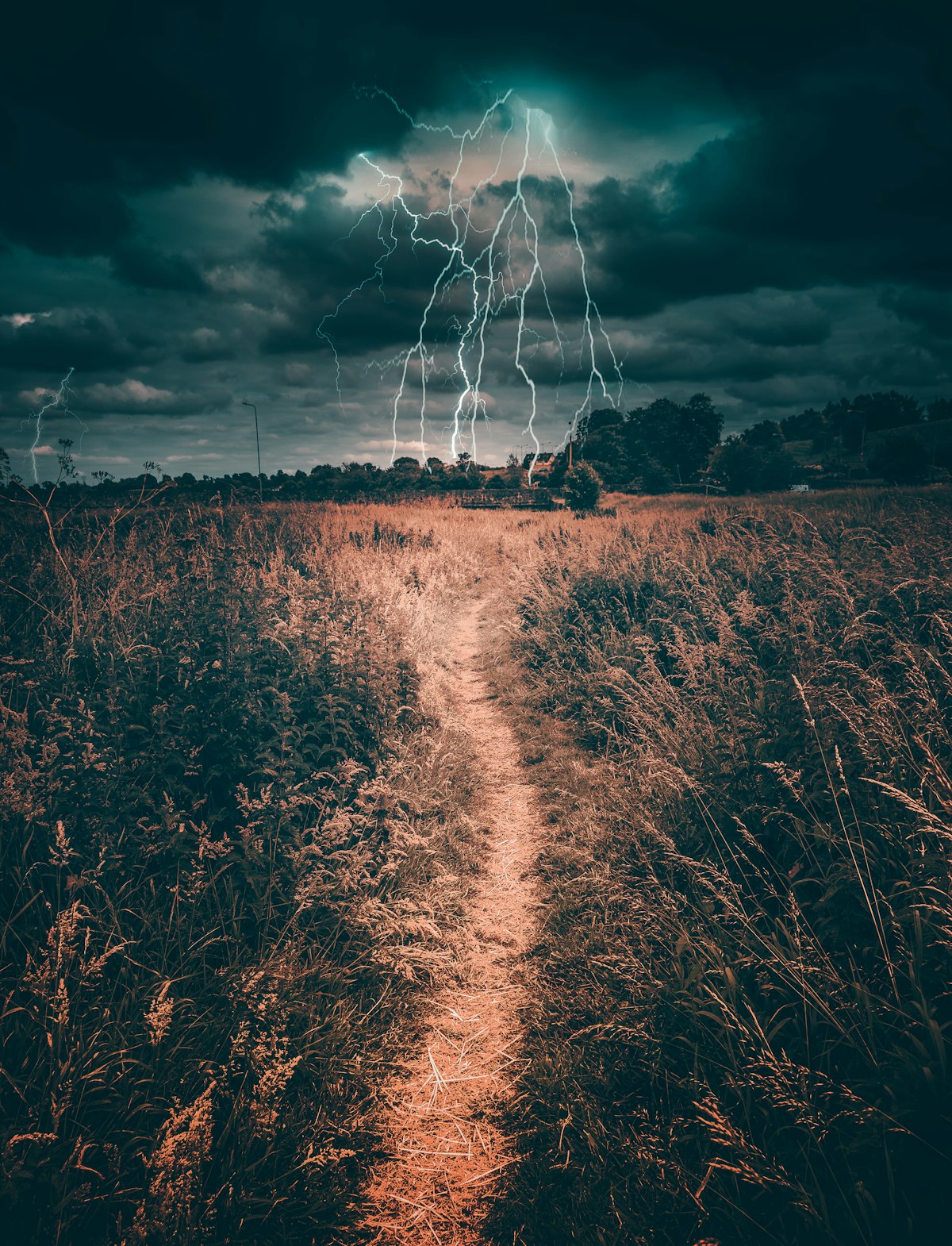
Colorado's summer thunderstorms build fast and arrive hard. Aim to be below treeline by early afternoon on any exposed high route. Lightning above 12,000 feet with nowhere to shelter is genuinely dangerous — plan your day around it, not the other way around.
CHOOSING THE RIGHT VEHICLE FOR HIGH-ALTITUDE TRAILS

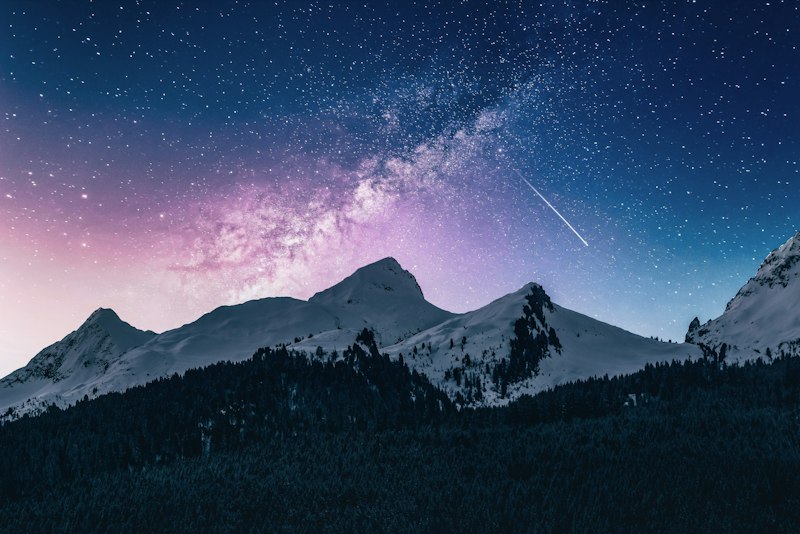
Photos: Unsplash (free to use)
Not every vehicle is built for the Rockies — but more are capable than you might think. While some passes are beginner-friendly in a stock 4x4, the advanced routes demand skill, preparation, and a capable platform.
Minimum requirements for most Colorado overlanding: true 4WD with low range, at least 8.5 inches of ground clearance, and all-terrain tires. Recovery points front and rear are strongly recommended. Popular platforms that thrive here include the Jeep Wrangler Rubicon, Toyota 4Runner TRD, Ford Bronco Badlands, and Toyota Tacoma TRD — all of which handle Colorado's terrain confidently in stock or near-stock form.
Naturally aspirated engines lose approximately 3% power per 1,000 feet of elevation. At 12,000 feet, you're running on roughly 65% of your sea-level power. Factor this into your expectations for hill climbing and passing maneuvers. Turbocharged engines fare better but still feel the thin air.
MUST-HAVE GEAR FOR COLORADO MOUNTAIN OVERLANDING
At altitude, preparation isn't optional — it's the difference between an epic adventure and a rescue call. Pack for the conditions you'll find, not the ones you hope for.
- Traction boards (x2)
- Rated tow strap
- Snatch block + shackles
- Portable air compressor
- Hi-lift jack + base plate
- Full-size spare tire
- Tire plug kit
- Rooftop or cold-rated ground tent
- Sleeping bag rated to 20°F or lower
- Layered clothing system
- Portable stove + fuel
- Water filter + 3-day supply
- Bear canister or hang system
- Headlamp + lantern
- Satellite communicator (Garmin inReach)
- Downloaded offline GPS maps
- Paper USFS maps
- First aid kit (remote-rated)
- Extra fuel (jerry cans)
- Jump starter pack
- Basic tool kit + zip ties
TOP ROUTES FOR OVERLANDING IN COLORADO'S ROCKY MOUNTAINS
Colorado has dozens of incredible overlanding routes, but these four are the ones every serious overlander should experience at least once. They range from beginner-accessible to genuinely challenging — pick the one that matches your current skill level and build from there.
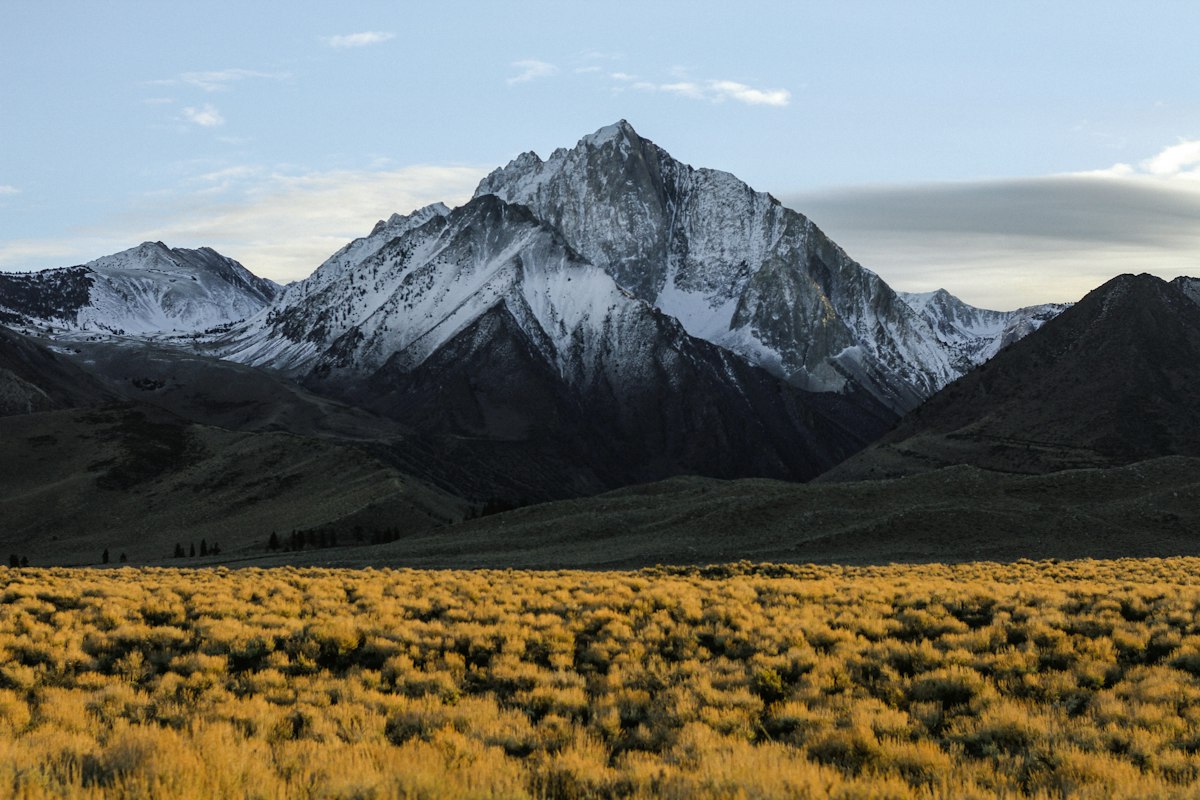
Located in the heart of the San Juan Mountains, the Alpine Loop Scenic Byway is the quintessential Colorado overlanding route. It connects the historic mining towns of Lake City, Silverton, and Ouray through some of the most dramatic mountain scenery on the continent.
The loop takes you over Engineer Pass (12,800 ft) and Cinnamon Pass (12,620 ft), past the ghost town of Animas Forks, and through alpine meadows that feel completely untouched. It's the perfect introduction to high-country overlanding — challenging enough to feel like an adventure, manageable enough for capable intermediate drivers.
► Highlights
- Ghost town of Animas Forks — one of Colorado's best preserved
- Engineer and Cinnamon Pass summit views
- Abundant dispersed camping throughout the loop
- Connects three classic Colorado mountain towns
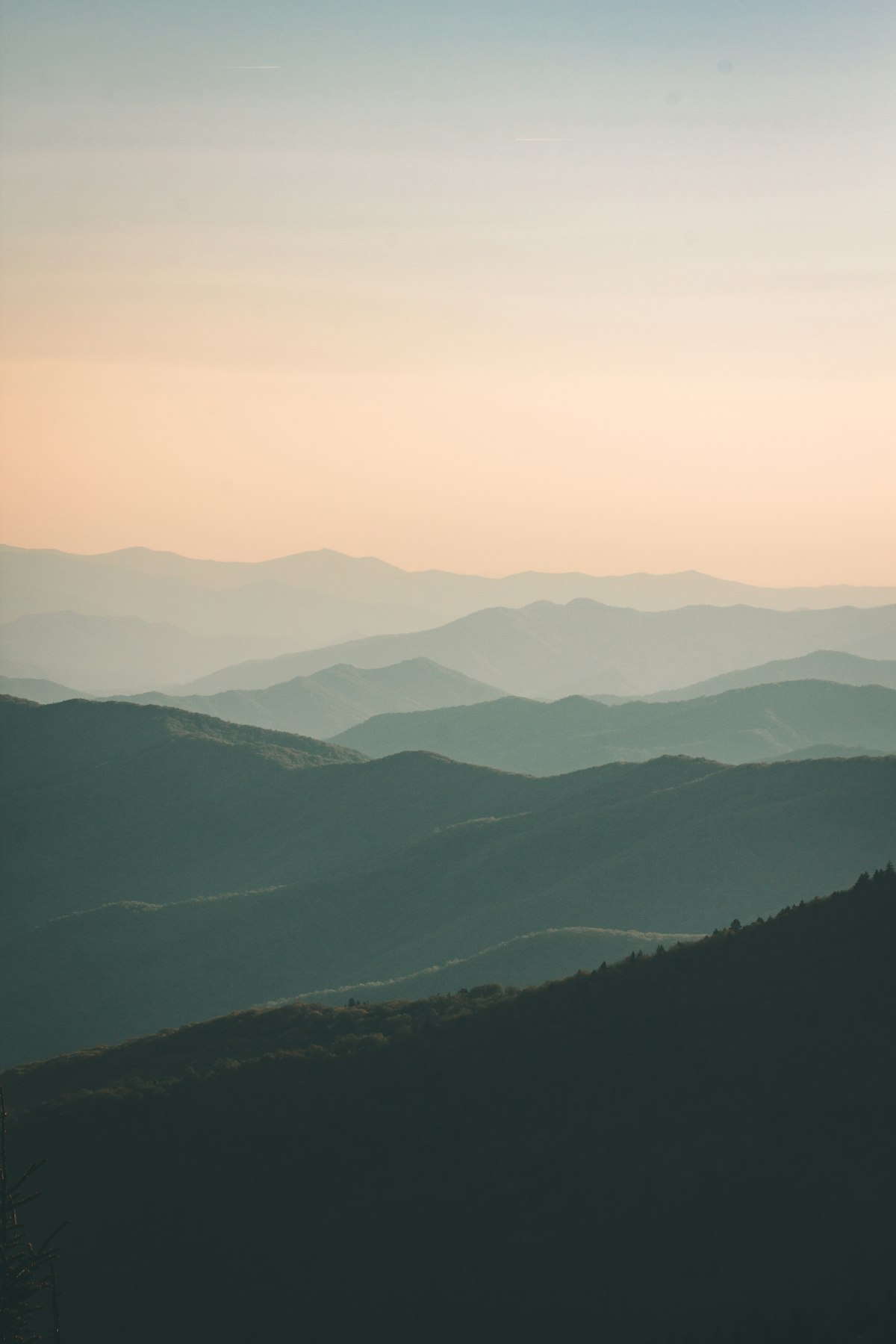
Imogene Pass is one of the highest drivable mountain passes in North America, cresting at 13,114 feet between Telluride and Ouray. It's a legendary route among Colorado overlanders — narrow, exposed, and spectacular in equal measure.
The climb from Telluride involves a series of tight switchbacks that gain elevation rapidly. Near the summit, the trail becomes a narrow rocky shelf with dramatic exposure on both sides. The descent into Ouray via Camp Bird Mine Road is equally impressive. This is not a route to attempt without experience and a properly equipped vehicle.
► Highlights
- One of the highest drivable passes in North America
- 360-degree views from the summit ridge
- Camp Bird Mine — a well-preserved historic site
- Links two of Colorado's most iconic mountain towns
Black Bear Pass is the most infamous trail in Colorado — and arguably one of the most challenging in the entire American Southwest. The descent from the summit toward Telluride involves a series of brutally steep, loose-surface switchbacks that drop thousands of feet in just a few miles. One section requires reversing around a blind corner on the edge of a cliff.
The route is one-directional (east to west only — you cannot drive up from Telluride), adds to the sense of commitment. You're going in. There's no turning around once you've started the descent. Save this one for when you have multiple seasons of technical trail experience under your belt.
► Highlights
- The iconic switchbacks visible from Imogene Pass above
- Bridal Veil Falls viewpoint on the descent
- One of the most photographed trails in Colorado
- True test of vehicle capability and driver skill
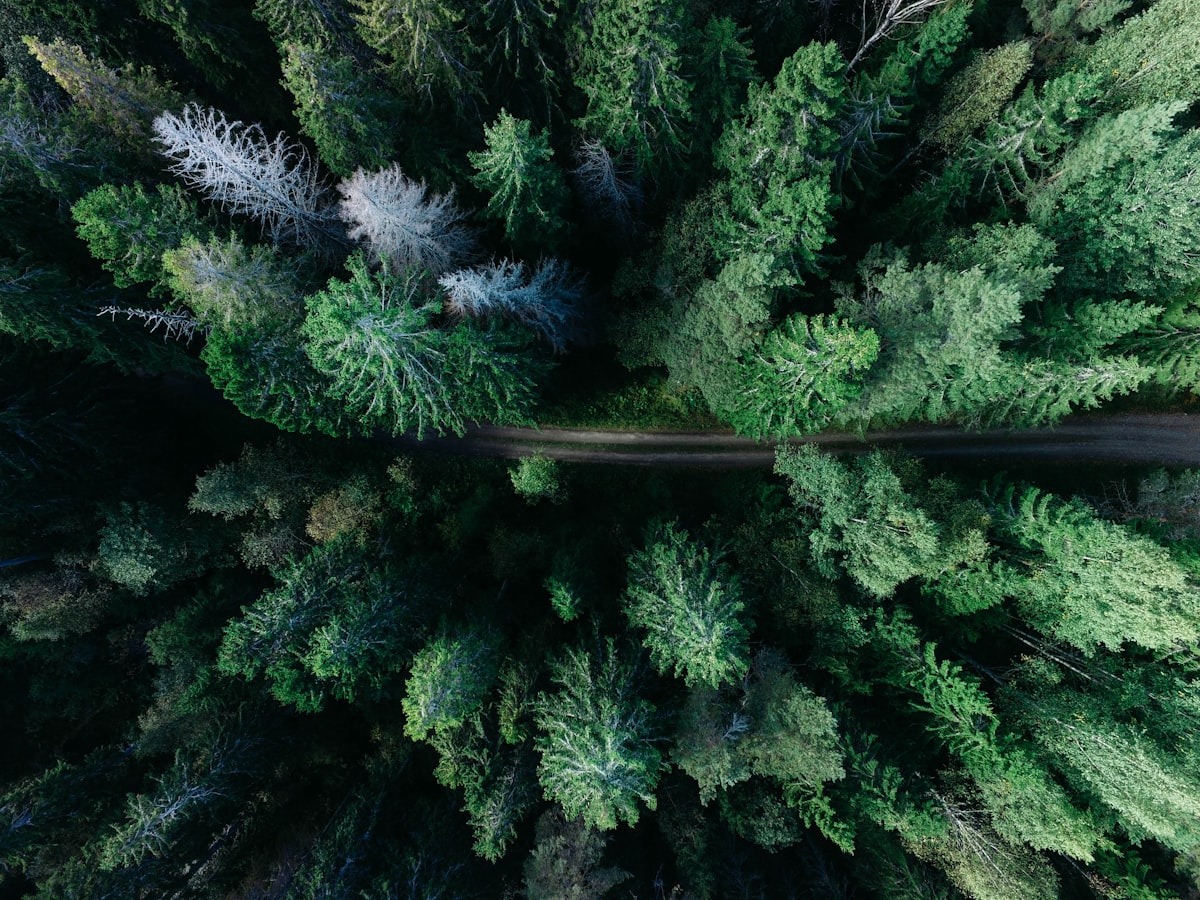
Boreas Pass is the perfect introduction to Colorado mountain overlanding. Following the grade of the historic Denver, South Park and Pacific Railroad — once the highest standard-gauge railroad in the world — it connects Breckenridge and the small town of Como through stunning high-country scenery.
The road is wide, well-graded, and manageable in a stock capable 4x4. In September, the aspen groves on either side of the route turn brilliant gold, making this one of the most photogenic drives in the state. The summit at 11,482 feet offers sweeping views of South Park and the Mosquito Range. A great first overnight trip.
► Highlights
- Historic railroad grade — remnants of the old station still visible
- Best fall foliage drive in Summit County
- Dispersed camping available along the route
- Accessible to stock 4WD and AWD vehicles
There's something about cresting a Colorado mountain pass in your rig — engine working hard in the thin air, a ghost town below you and a bluebird sky above — that you simply cannot get anywhere else.
— Dynamite OverlandingCAMPING & LEAVE NO TRACE ETHICS
Colorado's backcountry is open, spectacular, and fragile. The dispersed camping access that makes overlanding here so extraordinary exists because past visitors respected it. Keep it that way.
- Camp 200+ ft from water sources
- Use established fire rings only
- Pack out every piece of trash
- Stay on existing two-tracks
- 14-day limit on dispersed sites
- Check fire restrictions before you go
- Fire bans change daily in dry summers
- Never leave a fire unattended
- Cold-dead out before you sleep
- Carry a portable stove as backup
- Store all food in bear canisters
- Never feed any wildlife
- Keep 100 yards from bears and moose
- Moose are unpredictable — give space
- Watch for elk at dusk and dawn
NAVIGATION IN REMOTE TERRAIN
Cell service disappears quickly once you leave pavement in the Rockies. Don't rely on it. The standard navigation setup for Colorado overlanding: Gaia GPS with offline maps downloaded before departure, a paper USFS map for the specific forest you're in, and a satellite communicator for emergencies. Share your route plan with someone at home before you leave — every time.
The US Forest Service provides free motor vehicle use maps (MVUMs) for every National Forest — these show exactly which roads are open to motor vehicles and when. Download them at fs.usda.gov before your trip. They're the most accurate source for legal route information in Colorado's National Forests.
FREQUENTLY ASKED QUESTIONS
Not necessarily. Many routes including Boreas Pass and parts of the Alpine Loop are accessible in stock capable 4WD vehicles. Advanced routes like Black Bear Pass require more clearance, better tires, and significantly more experience. Match your route to your vehicle's capability.
Most high passes open between late June and early July depending on snowpack. Some years they open earlier; others they're still drifted closed in late June. Always check with the local Ranger District before heading out — conditions vary significantly year to year.
Yes — dispersed camping is allowed on most National Forest land in Colorado, with a 14-day stay limit. Some areas have been designated as no-camping zones due to overuse. Always check the Motor Vehicle Use Map for the specific forest you're visiting to confirm where camping is permitted.
Generally no — most Colorado overlanding routes on National Forest and BLM land don't require permits. Some trailhead parking areas have day-use fees. Always check local regulations as these can change, particularly during high-use periods.
Absolutely — with the right route selection. Boreas Pass, Ohio Pass, and many lower-elevation USFS roads are perfectly family-friendly and deeply rewarding. Stick to beginner and intermediate routes until everyone in the vehicle is comfortable, and always carry emergency gear regardless of route difficulty.
Altitude sickness (AMS) can affect anyone traveling above 8,000 feet, especially if you're coming from sea level. Symptoms include headache, nausea, and fatigue. Acclimatize by spending a night at a moderate elevation before heading higher, stay hydrated, and descend immediately if symptoms worsen. Most people have no issues if they take it gradually.
BUDGETING YOUR ROCKY MOUNTAIN OVERLAND TRIP
Colorado overlanding can be done on a wide range of budgets — dispersed camping is free, and many of the best routes cost nothing to drive. Here's where your money actually goes:
| Expense | Estimated Cost | Notes |
|---|---|---|
| Fuel (round trip + trail) | $120 – $300+ | Higher consumption at altitude; budget generously |
| Food & water | $40 – $80 / day | Depends on group size and prep style |
| Dispersed camping | Free | Most USFS and BLM land — no reservation needed |
| Campsite fees (if used) | $15 – $30 / night | Developed sites with amenities |
| Emergency / contingency | $200 – $500 | Unexpected repairs, towing, or evacuation costs |
Fuel your vehicle completely before leaving the last town. Gas stations in the San Juans are scarce and expensive. Carrying a 5-gallon jerry can as backup is cheap insurance — especially on longer loops where you won't pass a station for 100+ miles.
THE ROCKIES ARE WAITING
There is something genuinely magical about overlanding in Colorado's Rocky Mountains. It's one of those rare places where the drive itself is the destination — where every mile of rough road leads to a view that makes the hard work feel completely worthwhile.
From the ghost towns of the San Juans to the golden aspens of September, from the beginner-friendly grade of Boreas Pass to the heart-in-throat descent of Black Bear — Colorado delivers an overlanding experience that rewards preparation, punishes complacency, and leaves you planning your return trip before you're even back on pavement.
Fuel up, pack smart, respect the land, and head for the peaks. The Rockies are waiting — and they've got a trail with your name on it.
Before you hit the high passes, read our beginner's guide to overlanding in a stock vehicle — everything you need to know before your first backcountry trip.
🌄 12 Epic Reasons Why Overlanding in Colorado's Rocky Mountains Is the Ultimate Adventure
If you're dreaming about crisp alpine air, towering peaks, and rugged off-road trails, then Overlanding in Colorado's Rocky Mountains should be at the top of your adventure list. This region offers jaw-dropping scenery, historic mountain passes, and unforgettable backcountry camping experiences.
Whether you're a seasoned overlander or just getting started, this complete guide will walk you through everything you need to know — from vehicles and gear to the most iconic routes in the Rockies.
🚙 What Makes Overlanding in Colorado's Rocky Mountains So Special?
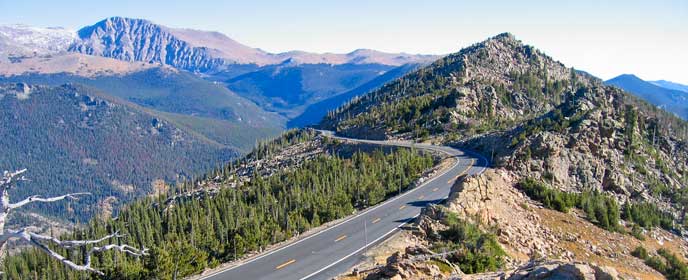


The Rocky Mountains stretch across several states, but Colorado offers some of the most accessible and scenic overlanding terrain in North America.
Here’s why adventurers love it:
- Over 50 peaks above 14,000 feet
- Historic mining roads turned 4x4 trails
- Alpine lakes and tundra ecosystems
- Wide-open dispersed camping opportunities
- Stunning fall foliage in the high country
The terrain ranges from smooth gravel passes to narrow, shelf-style roads carved into mountain cliffs. Every mile feels like stepping into a postcard.
🏔️ Best Time of Year for Rocky Mountain Overlanding
Timing matters. High elevation trails remain snow-covered well into summer.
Ideal Season:
- Late June through early October
What to Expect:
- Afternoon thunderstorms in July and August
- Cooler temperatures, even in summer
- Stunning golden aspen leaves in September
Before heading out, check conditions with the US Forest Service for trail closures and fire restrictions.
🚘 Choosing the Right Vehicle for High-Altitude Trails
Not every vehicle is built for the Rockies. While some passes are beginner-friendly, others require serious capability.
Essential Features
- 4WD or AWD
- High ground clearance
- All-terrain tires
- Recovery points front and rear
Popular Overlanding Vehicles
- Jeep Wrangler
- Toyota 4Runner
- Ford Bronco
- Toyota Tacoma
Even stock vehicles can handle moderate trails like Boreas Pass, but advanced routes demand skill and preparation.
🎒 Must-Have Gear for Overlanding in Colorado's Rocky Mountains
When you're traveling above 12,000 feet, preparation is everything.
Recovery Gear Checklist
- Traction boards
- Tow straps
- Portable air compressor
- Full-size spare tire
Camping Essentials
- Roof-top tent or durable ground tent
- Cold-weather sleeping bag
- Portable stove
- Minimum one gallon of water per person per day
Emergency Equipment
- Satellite communicator
- Offline GPS maps
- Paper trail maps
- First aid kit
Altitude and weather can change fast — don’t underestimate the mountains.
🛣️ Top Routes for Overlanding in Colorado's Rocky Mountains
Here are some of the most iconic trails you shouldn’t miss.
🌄 Alpine Loop Scenic Byway

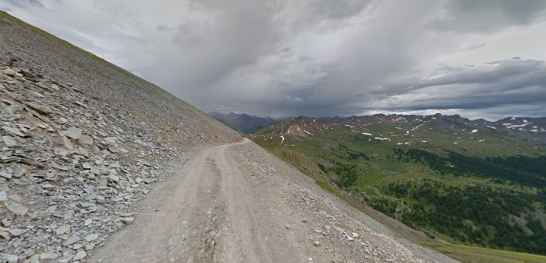
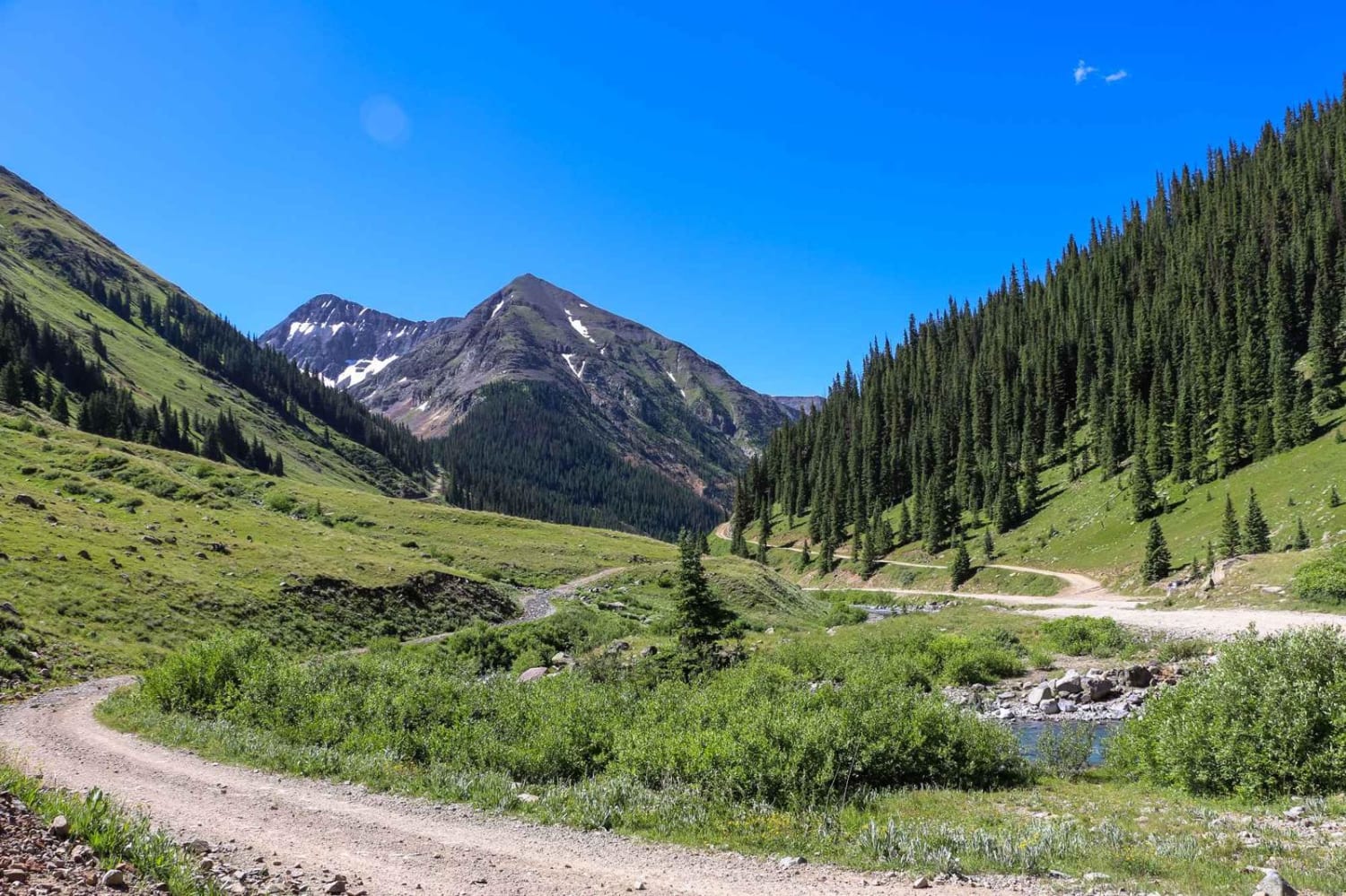
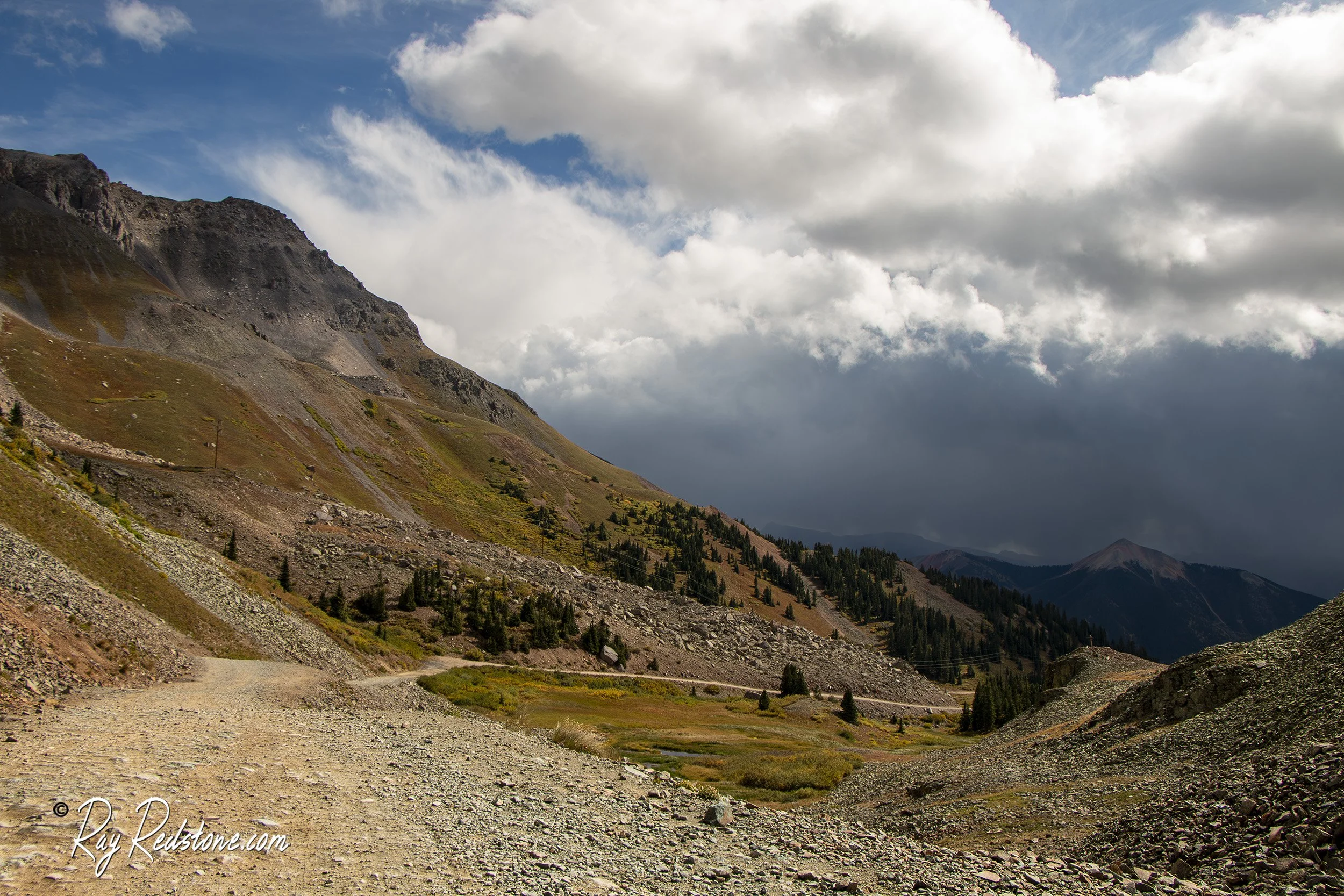
Located in the San Juan Mountains, the Alpine Loop Scenic Byway connects Lake City, Silverton, and Ouray.
Highlights:
- Elevations above 12,000 feet
- Historic ghost towns like Animas Forks
- Moderate difficulty
This loop is perfect for intermediate overlanders looking for classic Colorado scenery.
🏔️ Imogene Pass

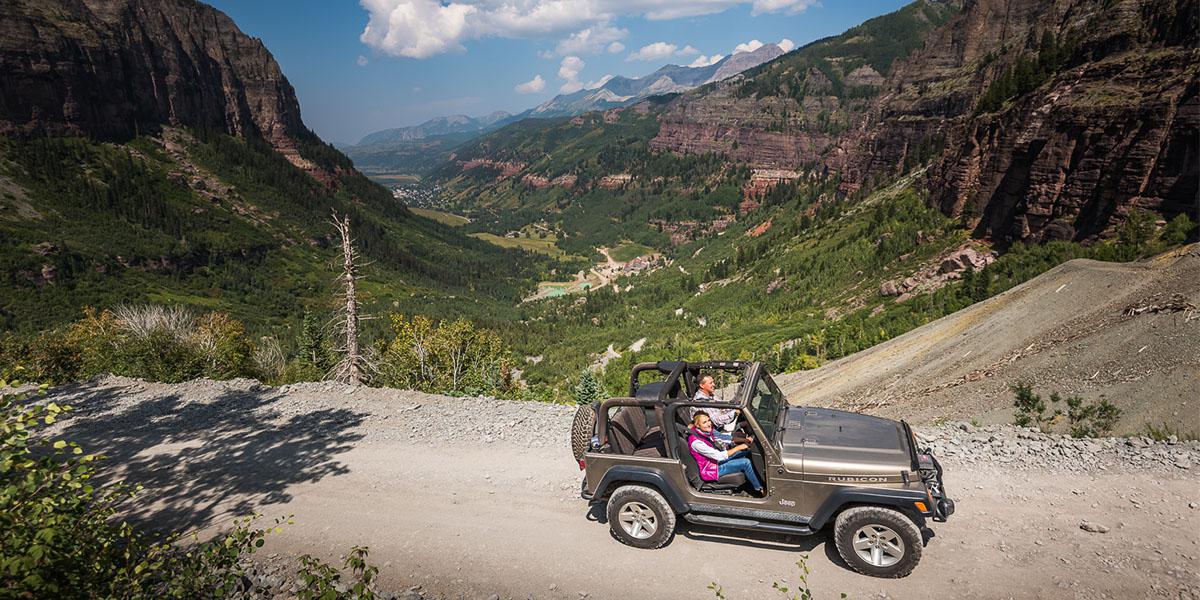


The legendary Imogene Pass links Telluride and Ouray and reaches 13,114 feet.
Why It’s Famous:
- One of the highest drivable passes in Colorado
- Narrow shelf roads
- Stunning alpine vistas
This route is best suited for experienced drivers.
⛰️ Black Bear Pass
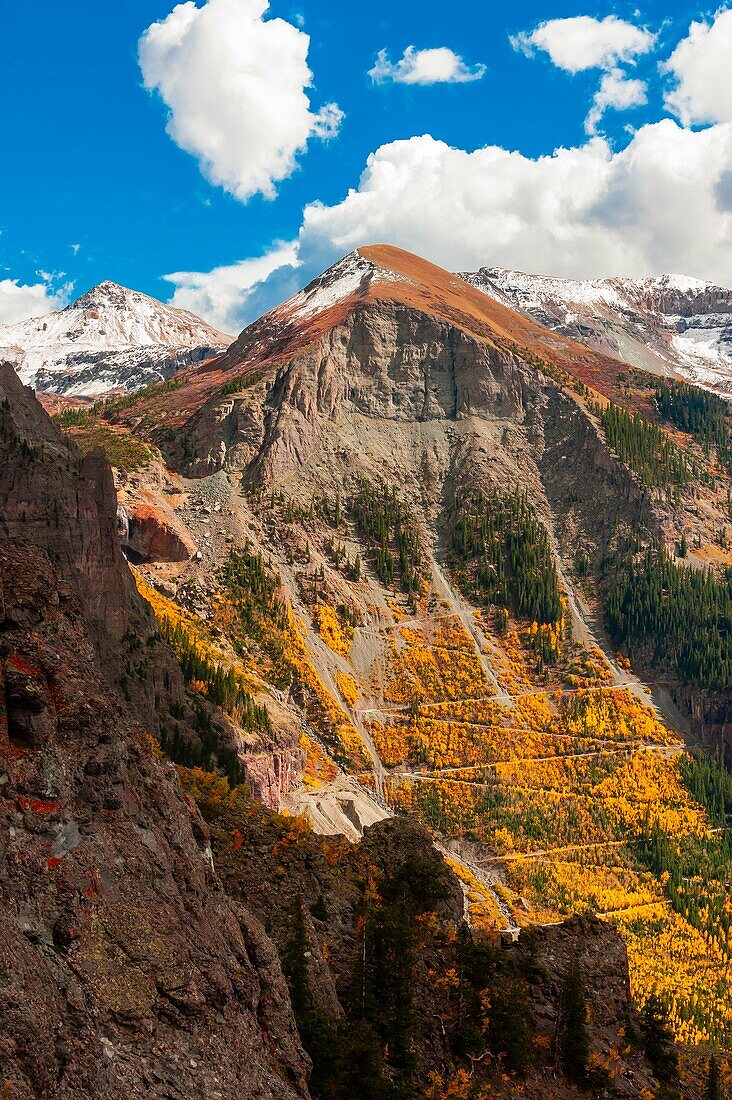

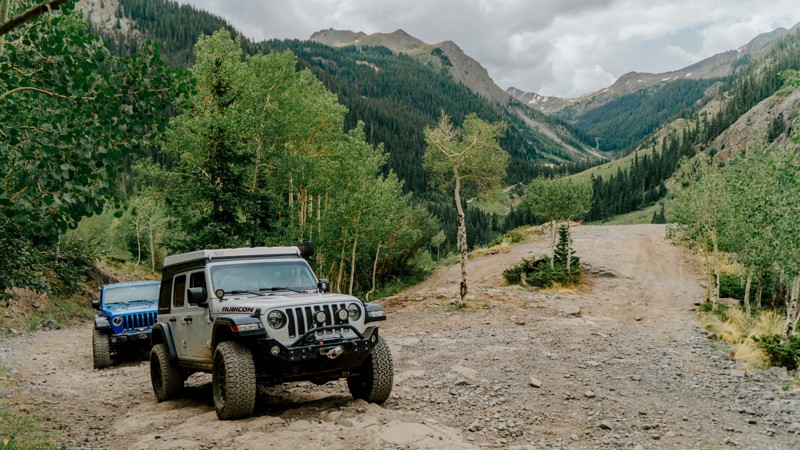
One of the most challenging trails in the state, Black Bear Pass is not for beginners.
Key Features:
- Tight switchbacks
- Steep descent toward Telluride
- One-way traffic sections
If you’re new to overlanding, save this one for later.
🌲 Boreas Pass

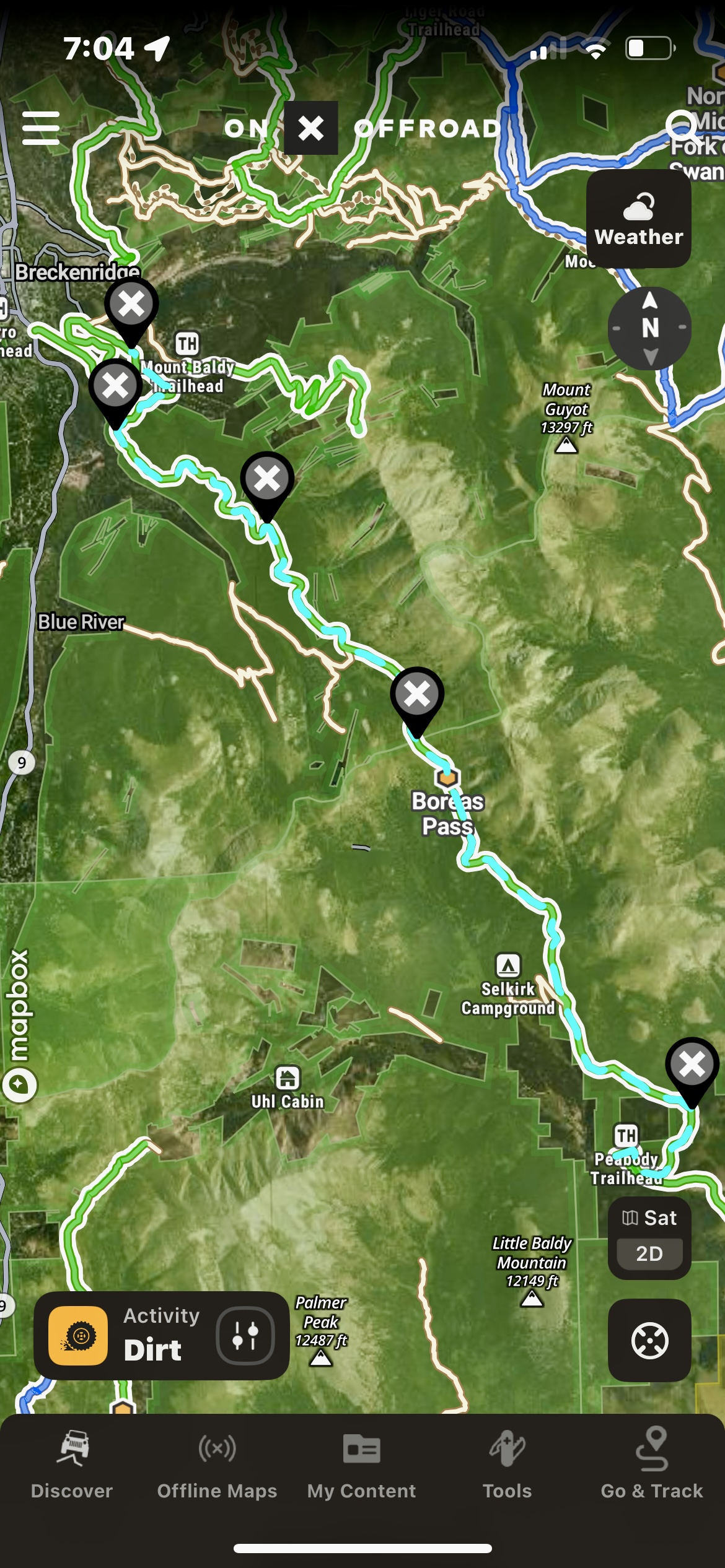

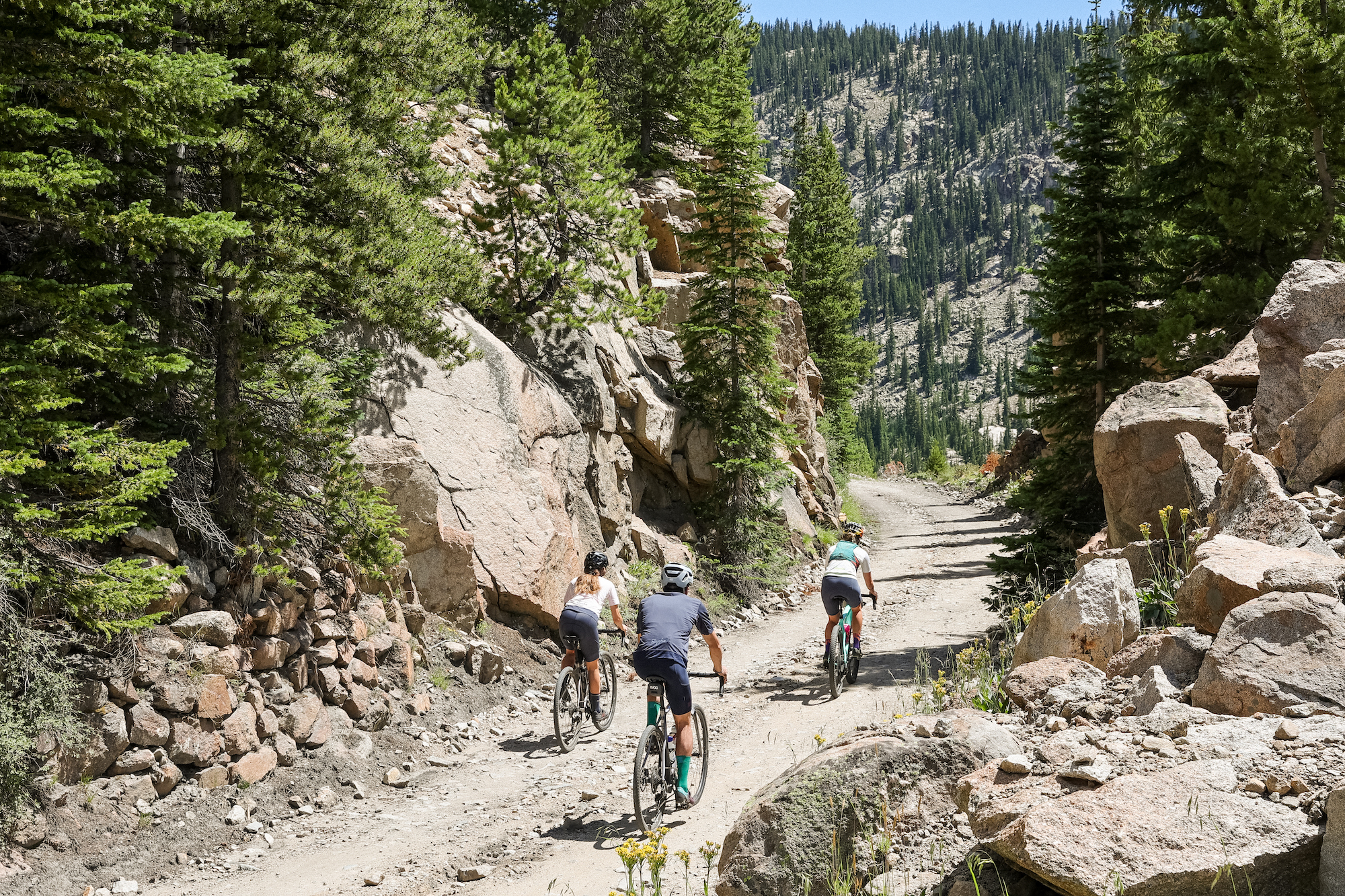
Boreas Pass is beginner-friendly and incredibly scenic.
It follows an old railroad grade and connects Breckenridge and Como. In autumn, the golden aspens make this drive unforgettable.
🏕️ Camping & Leave No Trace Ethics
Responsible travel keeps these areas open for everyone.
Follow Leave No Trace principles:
- Camp at least 200 feet from water
- Use established fire rings
- Pack out all trash
- Follow local fire bans
Learn more at the official Leave No Trace website: https://lnt.org/
🐻 Wildlife & Safety Considerations
You may encounter:
- Black bears
- Moose
- Elk
- Mountain lions
Store food properly and give wildlife plenty of space. Moose, surprisingly, can be more aggressive than bears.
📍 Navigation Tips for Remote Travel
Cell service disappears quickly in the mountains.
Use:
- Offline maps
- GPS apps like Gaia
- Paper USFS maps
Always share your route plan with someone before departing.
💰 Budgeting Your Rocky Mountain Overland Trip
Costs to plan for:
- Fuel (higher consumption at elevation)
- Food and water supplies
- Maintenance and recovery gear
- Occasional campsite fees
Bringing extra fuel and emergency funds is always wise.
❓ Frequently Asked Questions
1. Do I need a modified vehicle?
Not necessarily. Many routes are accessible with stock 4WD vehicles.
2. When do mountain passes open?
Usually late June, depending on snowpack.
3. Is dispersed camping allowed?
Yes, in most National Forest lands with 14-day stay limits.
4. Are permits required?
Generally no, but check local regulations.
5. Is overlanding safe for families?
Yes, with proper planning and beginner-friendly routes.
6. What’s the easiest scenic trail?
Boreas Pass is one of the easiest and most beautiful.
🏁 Final Thoughts on Overlanding in Colorado's Rocky Mountains
There’s something magical about Overlanding in Colorado's Rocky Mountains. From historic mining towns to alpine passes above the clouds, every trail offers adventure and discovery.
With proper preparation, a capable vehicle, and respect for the land, your Rocky Mountain overland journey can become the trip of a lifetime.
So fuel up, pack smart, and head for the peaks — the Rockies are waiting.