
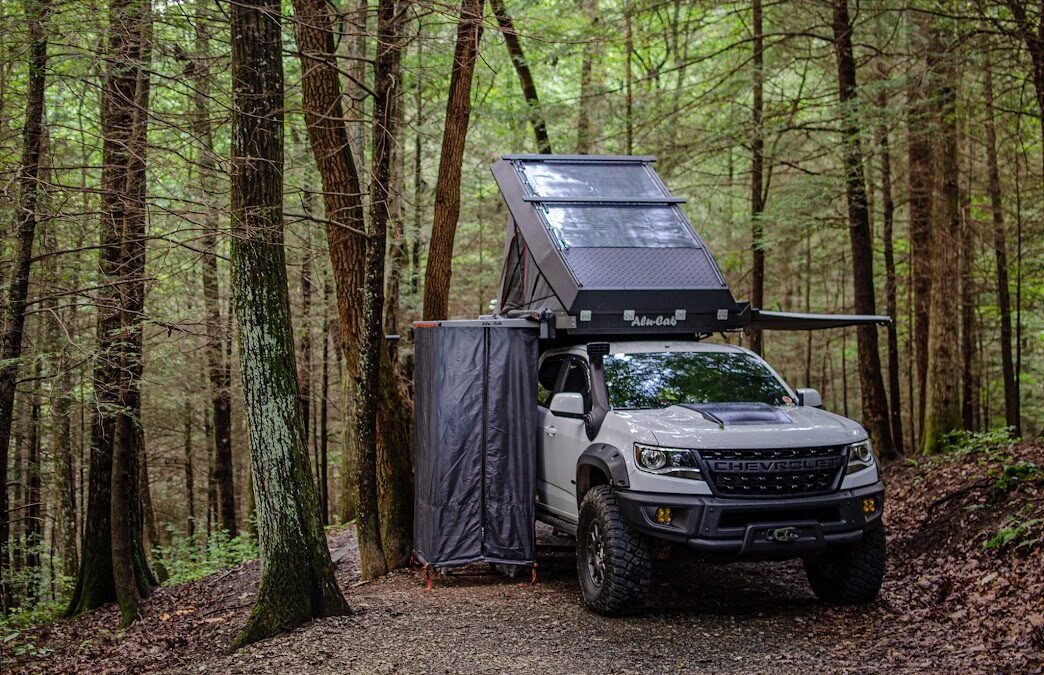
Overlanding: The Ultimate Adventure Guide with 15 Proven Strategies for Epic Exploration
Meta Description: Overlanding is the ultimate self-reliant adventure travel experience. Discover 15 proven strategies, expert tips, essential gear insights, and global destinations to master Overlanding safely and confidently.
What Is Overlanding? A Modern Adventure Movement
Overlanding is more than just off-road driving. It is a self-reliant form of travel where the journey itself becomes the main goal. Instead of rushing to a destination, travelers embrace slow exploration, remote landscapes, and independence.
Unlike standard road trips or campground stays, Overlanding combines off-grid camping, navigation skills, mechanical awareness, and careful preparation. It encourages adventurers to carry everything they need—food, water, shelter, and recovery tools—inside a capable vehicle.
The Historical Roots of Vehicle-Based Expeditions
The concept dates back to early expeditions across Africa and Australia, where travelers crossed vast regions with limited infrastructure. What began as necessity evolved into recreation. Today, modern adventurers use durable vehicles, satellite tools, and advanced mapping systems to recreate that spirit of exploration.
Core Philosophy: Journey Over Destination
At its heart, this lifestyle prioritizes experience over speed. It’s about sunrise in the desert, quiet mountain camps, and discovering roads that rarely appear on tourist maps. The focus is not luxury—it’s resilience and discovery.
Why Overlanding Is Rapidly Growing Worldwide
Interest in self-sufficient travel has grown dramatically over the past decade.
Freedom, Self-Reliance, and Minimalism
Many people feel overwhelmed by fast-paced living. Overlanding offers simplicity. You carry only what you need. You fix problems as they arise. You adapt. That independence builds confidence and resilience.
Social Media and the Adventure Community
Platforms showcasing remote deserts, mountain passes, and forest trails have inspired thousands to begin their own journeys. Online forums and communities provide route advice, gear reviews, and safety guidance.
Adventure has become accessible—yet still thrilling.
Choosing the Right Vehicle for Overlanding Success
Your vehicle is your home, transport, and safety system combined. Selecting the right one matters enormously.


4x4 vs AWD: What You Really Need
Four-wheel-drive (4x4) vehicles provide better traction on sand, mud, snow, and rocky terrain. While all-wheel-drive (AWD) systems can handle light off-road conditions, serious terrain often requires low-range gearing and locking differentials.
Proven Expedition-Ready Models
Some of the most respected vehicles in the Overlanding world include:
-
Toyota Land Cruiser
-
Jeep Wrangler
-
Ford Ranger
-
Land Rover Defender
These vehicles are known for reliability, aftermarket support, and durability.
Suspension, Tires, and Performance Upgrades
Common modifications include:
-
All-terrain or mud-terrain tires
-
Lifted suspension systems
-
Skid plates for underbody protection
-
Winch and recovery points
-
Onboard air compressors
Upgrades improve clearance and confidence on rough trails.
Essential Gear Checklist for Extended Travel


Shelter and Sleeping Systems
Comfort affects performance. Options include rooftop tents, ground tents, or sleeping platforms built into vehicles. Insulated sleeping bags and weatherproof bedding are essential for varying climates.
Cooking, Water Storage, and Food Safety
A compact stove, portable fridge, and sealed water containers are crucial. Most experienced travelers carry at least one gallon of water per person per day. Food safety reduces risk during extended trips.
Navigation and Communication Equipment
Reliable GPS units and satellite communication devices are vital. Paper maps remain useful backups. A trusted brand like Garmin offers durable navigation tools (visit https://www.garmin.com for product details).
Route Planning and Terrain Research
Preparation separates enjoyable journeys from dangerous ones.
Weather, Maps, and Seasonal Considerations
Snow, heavy rain, and extreme heat can drastically change road conditions. Research historical weather patterns before departure. Seasonal awareness prevents dangerous surprises.
Fuel Stops and Emergency Exit Points
Remote regions may have limited fuel access. Always calculate range carefully and identify alternate routes in case of closures or mechanical issues.
Safety and Risk Management in Remote Areas
Safety should never be optional.
Emergency Kits and Recovery Equipment
Every vehicle should carry:
-
Comprehensive first aid kit
-
Fire extinguisher
-
Spare tire and repair tools
-
Tow straps and recovery boards
-
Extra fuel and water
Understanding basic vehicle repairs can prevent minor problems from escalating.
Satellite Communication and Backup Systems
In areas without cellular service, satellite messengers or emergency locator beacons can be life-saving. Always inform someone of your planned route and expected return date.
Budgeting and Cost Breakdown
Adventure does not have to be expensive—but preparation requires investment.
Vehicle Modifications and Equipment Costs
| Category | Estimated Range |
|---|---|
| Suspension & Tires | $1,000 – $5,000 |
| Recovery Gear | $300 – $2,000 |
| Camping Equipment | $500 – $4,000 |
| Fuel | Variable |
Long-Term Travel Savings Strategies
-
Cook meals instead of dining out
-
Choose free public lands for camping
-
Maintain your vehicle regularly
-
Travel slowly to reduce fuel consumption
Careful budgeting makes long journeys sustainable.
Best Global Destinations for Overlanding
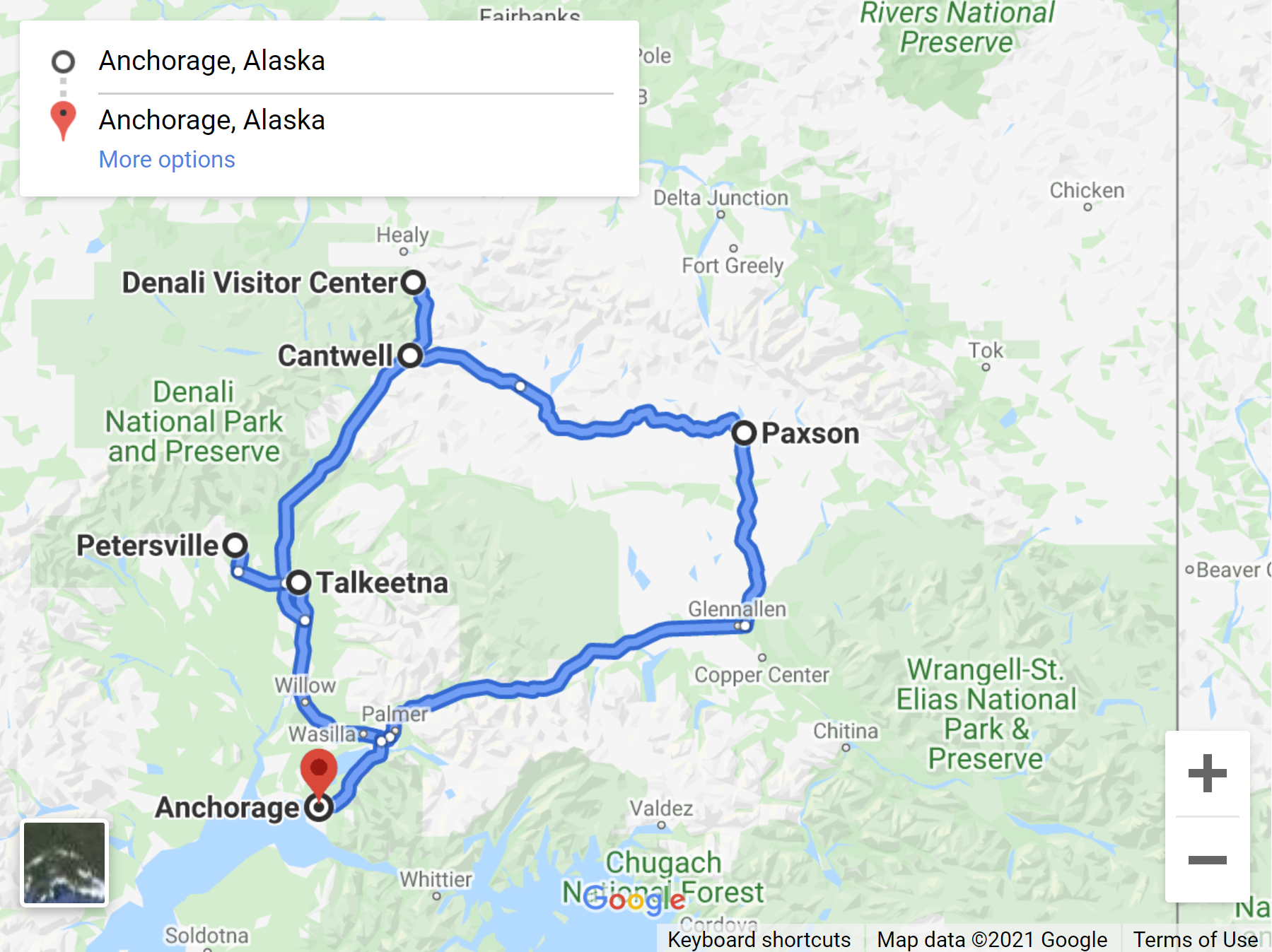


North America
Alaska, Baja California, and the Rocky Mountains provide diverse landscapes—from glaciers to deserts.
Africa
Namibia and Morocco offer dramatic dunes and wide-open spaces that embody true expedition travel.
Australia
The Outback challenges travelers with vast distances and rugged tracks, demanding careful planning and resilience.
Overlanding vs Van Life: Key Differences
Though often confused, the two lifestyles differ:
-
Van life emphasizes comfort and long-term living.
-
Overlanding focuses on remote terrain capability.
-
Overlanding vehicles prioritize durability over interior luxury.
Both encourage freedom—but with different approaches.
Environmental Responsibility and Leave No Trace Ethics
Responsible travel protects landscapes for future explorers.
Follow these principles:
-
Stay on designated trails
-
Pack out all waste
-
Respect wildlife
-
Minimize campfire impact
-
Leave campsites better than you found them
Ethical exploration ensures sustainability.
Common Beginner Mistakes to Avoid
-
Overpacking unnecessary gear
-
Ignoring weather reports
-
Skipping vehicle inspections
-
Underestimating fuel needs
-
Traveling without emergency communication
Preparation builds confidence and safety.
Frequently Asked Questions About Overlanding
1. Is Overlanding suitable for beginners?
Yes. Start with short weekend trips close to home before attempting remote expeditions.
2. Do I need expensive modifications?
Not always. Many begin with stock vehicles and upgrade gradually based on experience.
3. How long do trips typically last?
Trips can range from two days to several months depending on goals and resources.
4. Is Overlanding safe?
With proper planning, communication tools, and safety gear, it can be very safe.
5. What skills are most important?
Navigation, situational awareness, mechanical basics, and adaptability.
6. Can families participate?
Absolutely. Many families travel together, teaching children resilience and outdoor skills.
Conclusion: Begin Your Overlanding Journey with Confidence
Overlanding represents freedom, resilience, and discovery. It encourages travelers to slow down, prepare wisely, and embrace the unexpected. With the right vehicle, proper planning, and responsible practices, anyone can begin this rewarding journey.
Adventure does not require perfection. It requires preparation, curiosity, and courage.
The road is waiting—and the next horizon could change your life.